Enhance Your Fitness Routine with Hybrid Training: Benefits and Tips
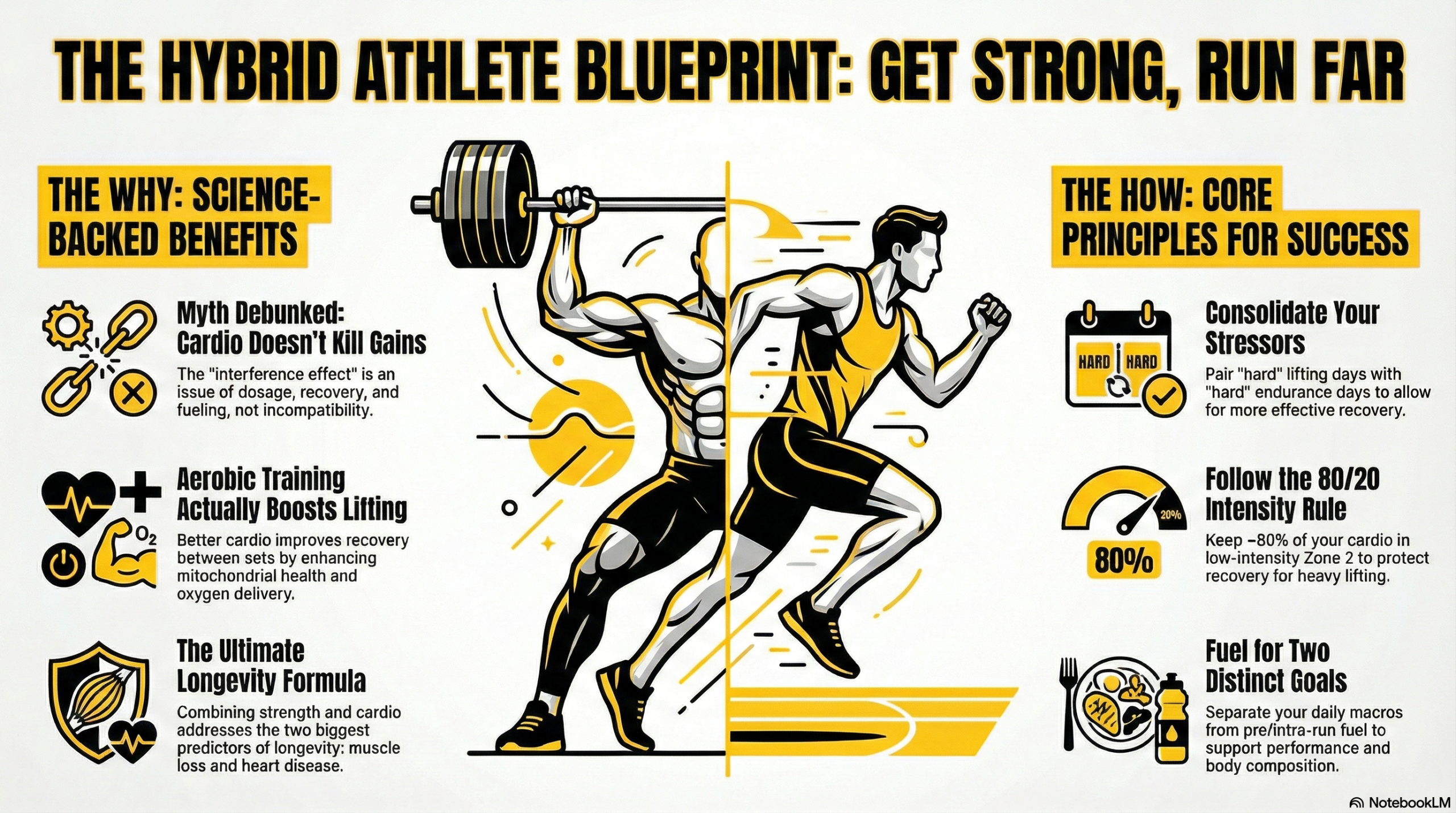
Hybrid Training: The Complete Guide to Meaning, Benefits, and Getting Started
Hybrid training is one of the biggest trends in fitness today. More and more people don't want to be "just a runner" or "just a lifter." They want to be strong and have great endurance. They want to do both well.
This guide will explain what hybrid training really means. You'll also learn what a hybrid athlete is, why this style of training is so popular, and how you can start doing it yourself.
By the end, you'll understand:
- What hybrid training is and how it's defined
- What a hybrid athlete looks like and how they train
- The real benefits and challenges of this training style
- Simple steps to start your own hybrid training plan
Let's dive in.
What Is Hybrid Training? (Hybrid Training Definition)
So, what is hybrid training exactly?
At its core, hybrid training is a planned mix of strength training and cardio, or endurance training. Many programs also add extras like mobility work, flexibility, or functional fitness movements.
The goal isn't just "general fitness." The goal is to get better at more than one thing at the same time — like lifting heavier weights while also running faster or farther.
In other words, the hybrid training definition is simple: it is a training approach that develops both strength and endurance in the same program.
Here's how some trusted fitness brands define it:
- INOV8: Hybrid training blends different types of workouts into one program — usually strength and cardio — to build muscle and endurance at the same time. (source)
That combination is what makes this style so appealing. Instead of choosing between performance goals, you train for both.
Hybrid training can include many combinations, such as:
- Running and weightlifting
- Cycling and strength work
- Rowing and resistance training
- Cross-training with mobility and conditioning
The exact structure depends on your goals. Some athletes want to run a strong half marathon without losing muscle. Others want to build a bigger deadlift while staying aerobically fit. That flexibility is one of the biggest strengths of the hybrid training model.
What Is a Hybrid Athlete?
A hybrid athlete is someone who trains for both strength and endurance performance. They are not focused on only one discipline. Instead, they aim to be well-rounded and capable in multiple physical areas.
If you've been wondering about the hybrid athlete meaning, think of it this way: a hybrid athlete is a person who can lift, run, and recover well enough to keep improving in both.
That makes the answer to what is a hybrid athlete fairly straightforward. It is not just someone who works out a lot. It is someone who trains with intention across different fitness qualities.
A hybrid athlete might:
- Run 5K, 10K, or longer distances
- Train with barbells, dumbbells, or machines
- Do conditioning sessions like intervals or circuits
- Work on mobility and recovery to support performance
The key is balance. A hybrid athlete does not just stack random workouts together. They follow a plan that helps them build strength without killing endurance, and build endurance without constantly breaking down from fatigue.
This is why hybrid athletes often look fit in a very complete way. They usually have solid muscle, a lean and athletic build, and strong cardiovascular capacity. But the real value is not just appearance. It is performance across several domains.
Why Hybrid Training Is So Popular
Hybrid training has become popular for a reason. It solves a problem many people face: they don't want to specialize too early or feel limited by one training style.
For years, fitness culture often made people choose sides.
- Runners were told to avoid lifting too much.
- Lifters were told cardio would hurt gains.
- People who wanted both were told to pick one goal.
Hybrid training challenges that idea.
It appeals to people who want:
- A stronger body
- Better endurance
- More variety in their training
- A performance-based goal that feels exciting
- A physique that is both powerful and athletic
It also fits modern lifestyles well. Many people want one program that supports real life. They want energy for work, sports, family, and daily movement. Hybrid training can deliver that because it develops multiple fitness qualities at once.
Another reason it is growing fast is that it feels more complete. A lot of people enjoy the satisfaction of lifting heavy and seeing strength gains, while also feeling proud of a new race time, longer run, or better conditioning score.
The Real Benefits of Hybrid Training
There are many reasons people choose hybrid training. Some are practical, and some are motivational.

1. You build both strength and endurance
This is the most obvious benefit. Instead of improving only one capability, you become more capable overall. That can make you better at sports, fitness tests, and everyday physical tasks.
2. You avoid one-dimensional fitness
A body that can lift well but gas out quickly is limited. So is a body that can run far but lacks strength. Hybrid training develops a more complete athletic base.
3. It keeps training interesting
Variety matters. When you combine lifting, running, and conditioning, training feels less repetitive. That can improve consistency, and consistency is what drives results.
4. It supports better body composition
Many people find that hybrid training helps them build lean muscle while staying relatively athletic and lean. The combination of resistance work and cardio can support this goal well.
5. It builds mental toughness
Balancing two demanding training styles is not easy. It requires discipline, planning, and patience. Over time, that can make you more resilient both physically and mentally.
6. It prepares you for real-world performance
Life rarely asks you to do just one thing. Hybrid training helps prepare you for situations where strength, stamina, and recovery all matter at once.
The Challenges of Hybrid Training
Hybrid training is effective, but it is not effortless. The biggest challenge is managing fatigue.
If you try to push hard in every session, your performance can drop. Your runs may suffer. Your lifting numbers may stall. Recovery may become poor.
Here are a few common challenges:
- Too much volume in one week
- Poor scheduling of hard runs and heavy leg days
- Not eating enough to support both goals
- Ignoring recovery, sleep, or mobility
- Chasing two goals without a clear priority
This is why a good hybrid training plan matters. The goal is not to do everything at maximum intensity. The goal is to structure training so the different pieces support each other.
Hybrid training works best when you are strategic. That means planning hard days, easy days, and recovery time with care.
How to Start Your Own Hybrid Training Plan
If you want to begin, start simple. You do not need a complicated program on day one.
1. Choose your main goals
Ask yourself what matters most right now.
- Do you want to run faster?
- Do you want to get stronger?
- Do you want a balanced mix of both?
You can improve both at once, but one goal often needs to lead slightly. That keeps your training focused.
2. Pick your weekly structure
A beginner hybrid training plan often includes:
- 2 to 4 strength sessions
- 2 to 3 running or cardio sessions
- 1 to 2 recovery or mobility sessions
The best structure depends on your experience, schedule, and recovery capacity.
3. Keep strength and cardio balanced
You don't need to max out in both areas every week. Instead, build each quality gradually.
For strength, focus on movements like:
- Squats
- Deadlifts
- Presses
- Pulls
- Lunges
For cardio, use sessions like:
- Easy runs
- Tempo runs
- Interval work
- Longer steady sessions
4. Respect recovery
Recovery is not optional. It is part of the plan.
That means:
- Sleeping enough
- Eating enough protein and total calories
- Hydrating well
- Using mobility work when needed
- Taking rest days seriously
5. Track progress over time
Hybrid training is easy to improve when you measure the right things. Track your:
- Running pace or distance
- Strength lifts
- Weekly volume
- Energy levels
- Recovery quality
That data helps you adjust before you burn out.
A Simple Example of a Hybrid Training Week
Here is a basic example of what a balanced week might look like for someone starting out:
- Monday: Lower-body strength training
- Tuesday: Easy run or aerobic conditioning
- Wednesday: Upper-body strength training + mobility
- Thursday: Interval run or tempo session
- Friday: Full-body strength training
- Saturday: Longer easy run or mixed conditioning
- Sunday: Rest or active recovery
This is only one approach. A hybrid athlete might train more often, or shift priorities depending on race season, strength goals, or recovery needs.
The best plan is the one you can recover from consistently.
Final Thoughts
Hybrid training is more than a trend. It is a smart and flexible way to train for strength, endurance, and long-term athletic performance.
If you have ever asked yourself what is hybrid training, the answer is simple: it is a structured way to build multiple fitness qualities at the same time. And if you have ever wondered what is a hybrid athlete, the answer is someone who commits to developing both power and stamina through intentional training.
The hybrid training definition may sound simple, but the results can be powerful when the plan is done well.
Whether your goal is to run farther, lift heavier, or just become a more complete athlete, hybrid training can help you get there.
Start with a clear plan. Train with purpose. Recover well. And build the version of fitness that fits your life.
Resources
Learn more from trusted fitness sources: